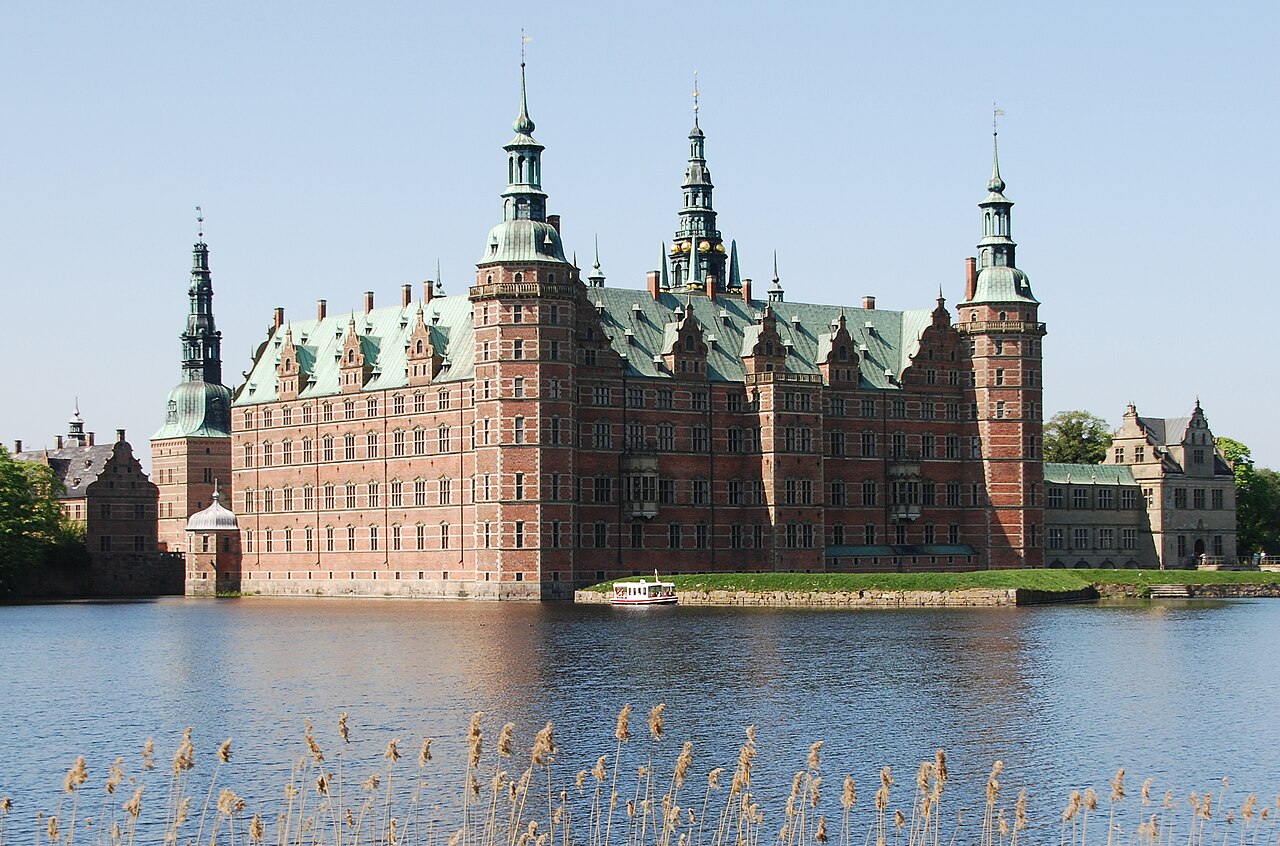
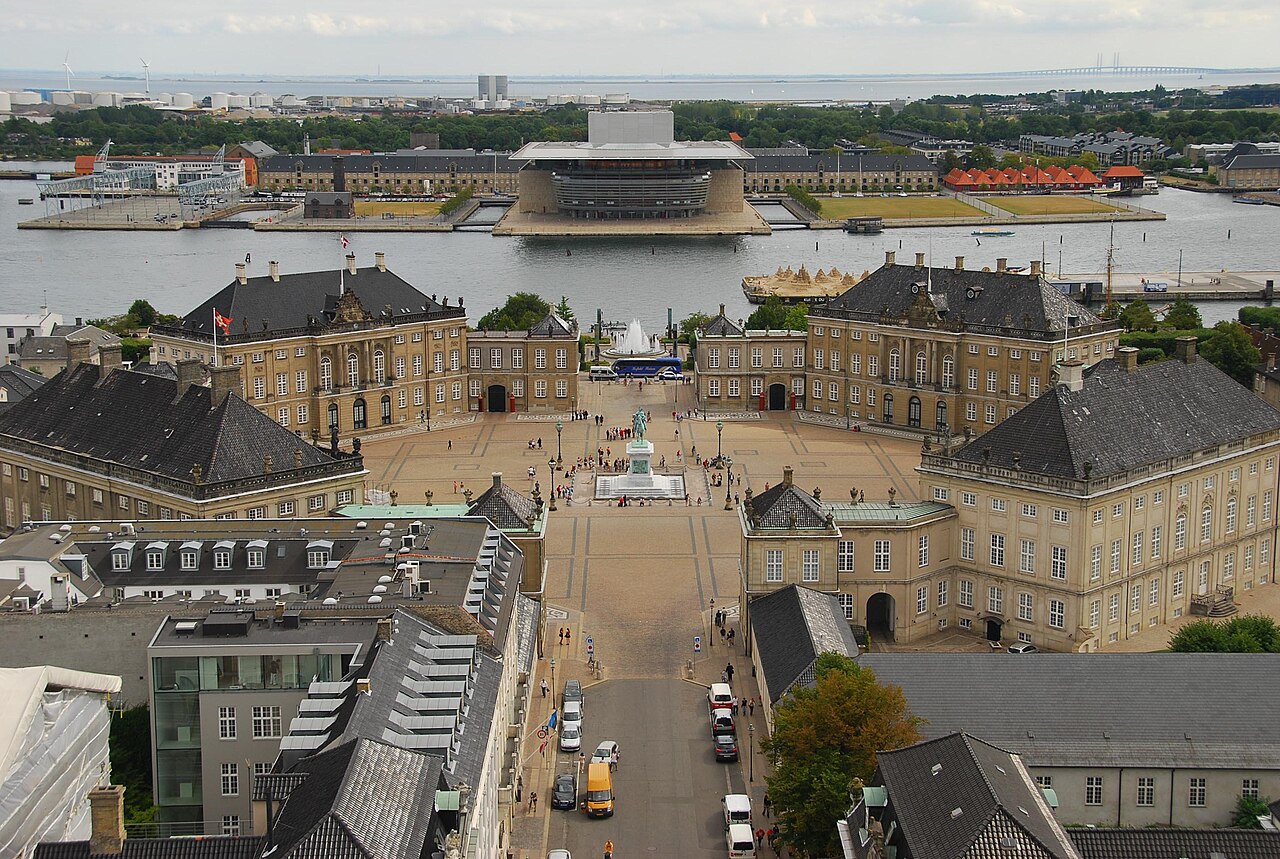
The Danish royal line begins, by the testimony of stones, with King Gorm the Old (died ca. 958) and his queen Thyra. Their son Harald Bluetooth — Harald Blåtand — Christianised the Danes and bound Denmark and Norway under one crown. On the great rune-stone at Jelling he caused to be carved the words: “King Harald bade these monuments be made… and made the Danes Christian.” It is the oldest surviving signature of the Danish state.
From that moment the kingdom has never lost its crown. Through Vikings and Crusaders, through the union of three Scandinavian realms in 1397, through the long Oldenburg dynasty that took the throne in 1448 and its Glücksburg branch that still reigns today — the line continues, father to daughter, mother to son, unbroken across one hundred and fifty generations.
The Danish monarchy is, after the Japanese imperial line, the oldest in the world. Among the monarchies of Europe still on a throne, no other can match its length. The constitutional formula that governs it today is simple: the queen or king reigns, but does not rule. Authority lies with the elected parliament; legitimacy, in the long sense, lies with the crown.
Den danske kongelinje begynder, ifølge stenene, med kong Gorm den Gamle (død ca. 958) og hans dronning Thyra. Deres søn Harald Blåtand kristnede danerne og samlede Danmark og Norge under én krone. På den store runesten i Jelling lod han skrive ordene: “Kong Harald bød gøre disse kumler … og gjorde danerne kristne.” Det er den ældste bevarede signatur fra den danske stat.
Fra det øjeblik har kongeriget aldrig mistet sin krone. Gennem vikinger og korsfarere, gennem foreningen af tre skandinaviske riger i 1397, gennem det lange Oldenborg-dynasti, der besteg tronen i 1448, og dets nuværende Glücksborg-linje — kontinuiteten består, far til datter, mor til søn, ubrudt gennem hundrede og halvtreds generationer.
Det danske monarki er, efter den japanske kejserlinje, det ældste i verden. Blandt Europas regerende monarkier kan intet andet måle sig med dets længde. Den forfatningsmæssige ordning, der gælder i dag, er enkel: dronningen eller kongen regerer, men styrer ikke. Magten ligger hos det folkevalgte parlament; legitimiteten, i den lange forstand, ligger hos kronen.
 I
I